
Sensory activities are calming for toddlers & preschoolers and improve fine motor development and assist with language acquisition. Rachelle Doorley of Tinkerlab shares her favorite sensory activities to help your family get through the witching hour.
Updated June 2025
There are days when the house is a mess—dishes piled high, toys everywhere, and evidence of yesterday’s activities still scattered around. You walk in the door, and within seconds, your kids are asking for your attention: one wants help with a craft, another wants to play a game, and you’re trying to figure out how to make dinner without losing your mind.
The Artful Parent
Family-life ideas and sharp reads, in your inbox.
Sound familiar?
It’s easy to respond with, “Just a minute…” while eyeing the never-ending to-do list. But kids can sense how long that “minute” might really be, and the wait often leads to frustration.
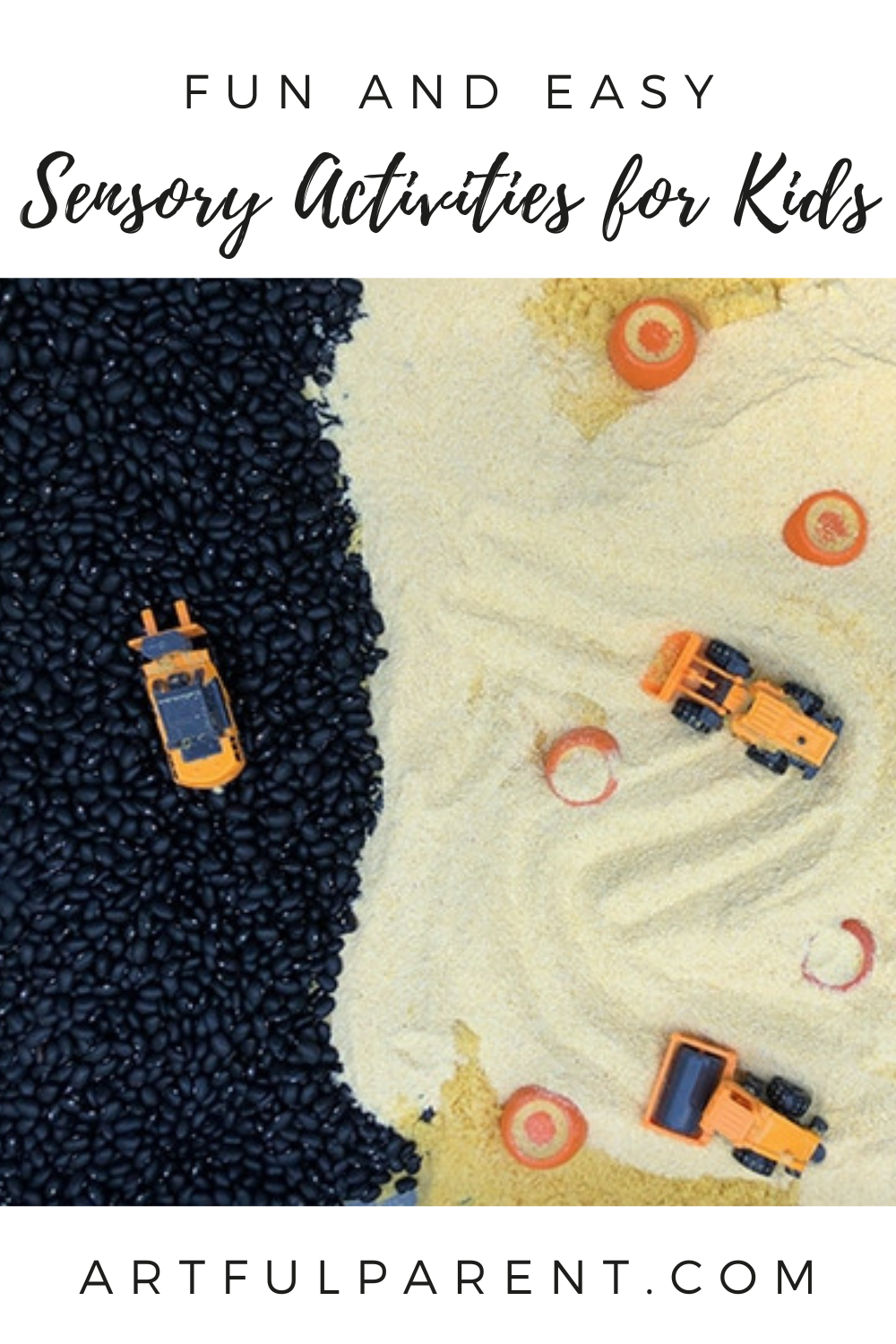
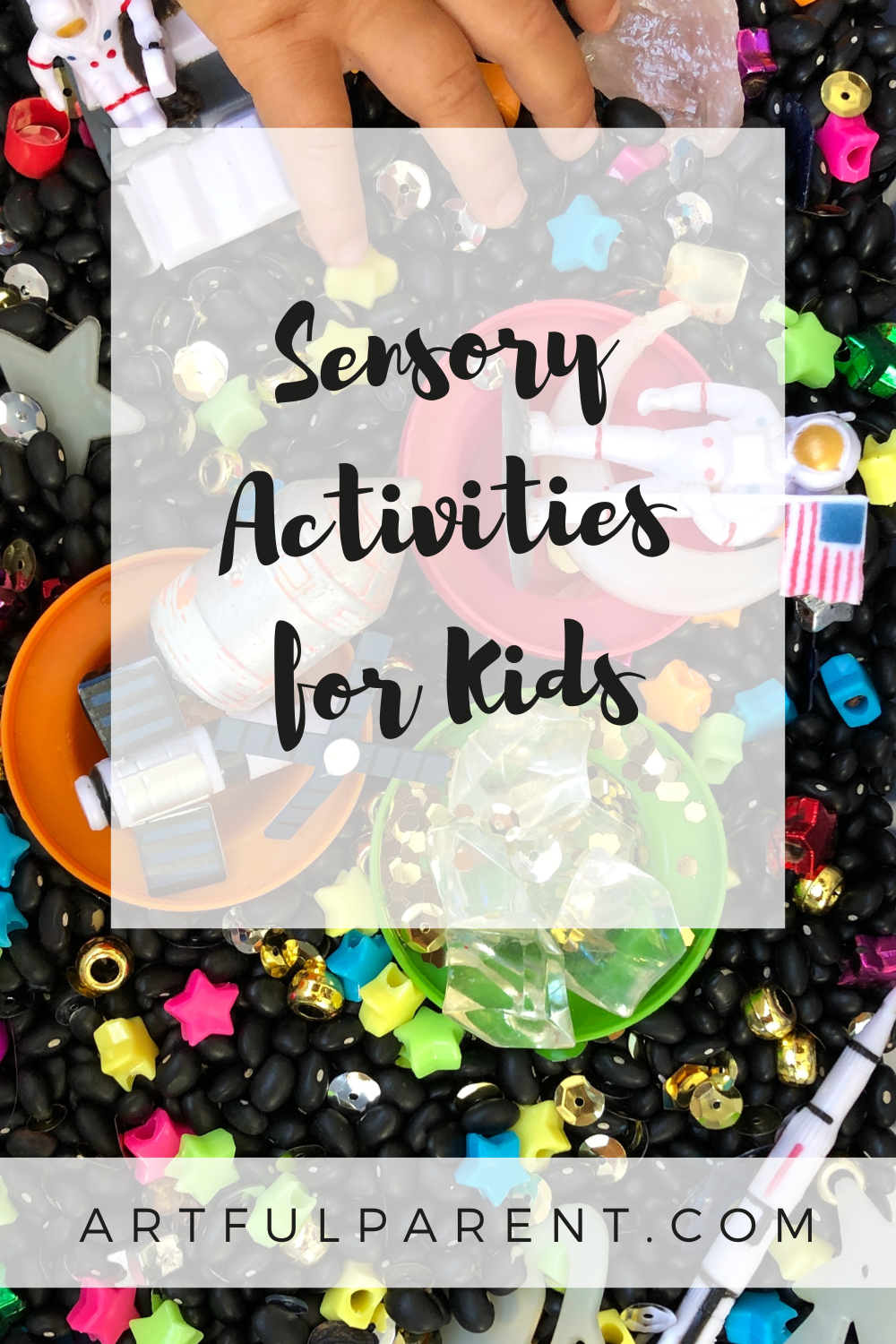
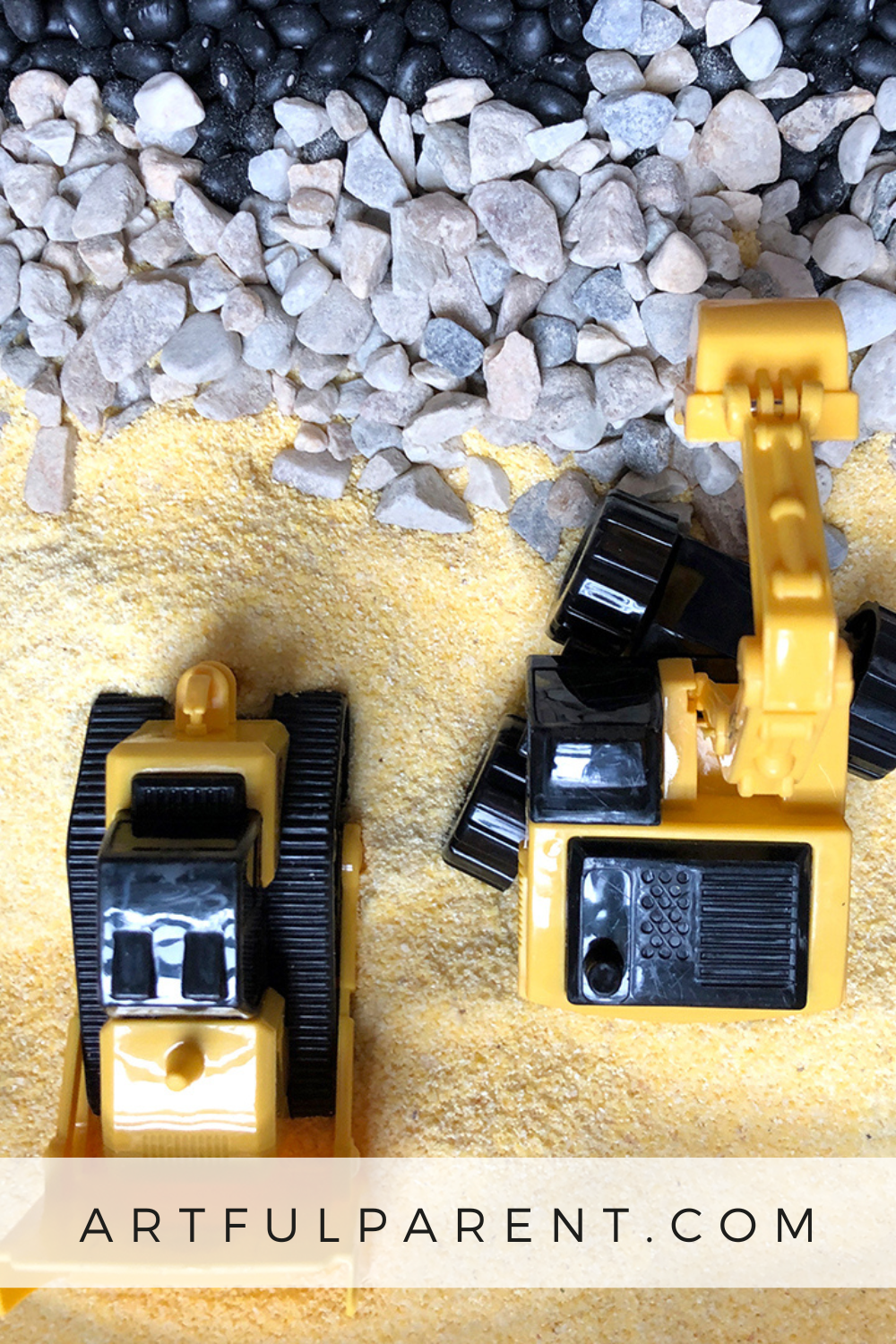
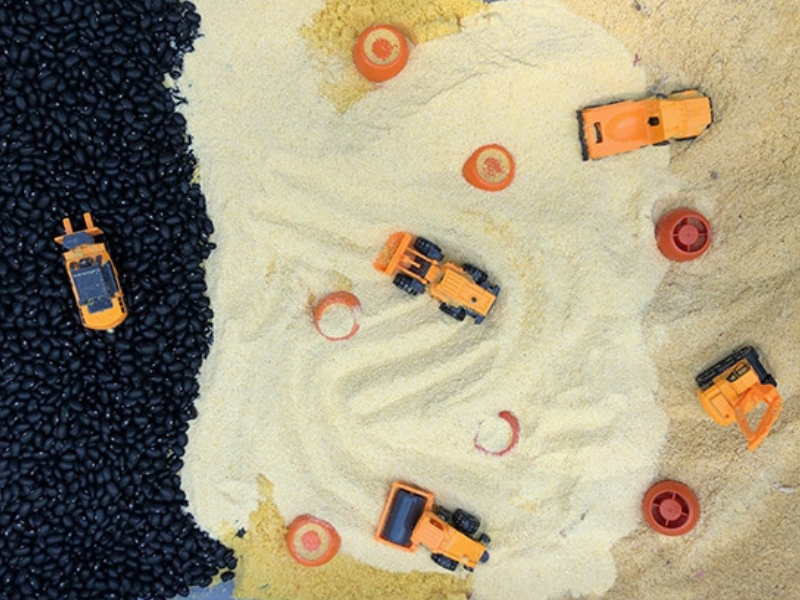
Instead, I’ve found an easy solution that makes everyone happy: pulling out a simple sensory bin. It is just a container filled with a sensory material, small bowls, scoops, and a few little toys. I typically sit with them for a few minutes to get them started, and pretty soon they get completely absorbed in their play, making up stories and exploring the little world in front of them.
Once they are happily playing on their own, I’m able to step away and start dinner. A small shift that made a big difference.
The Benefits of Sensory Activities
- Calming: Playing with sensory materials that stimulate the senses can calm children and improve their focus
- Fine motor development: Oftentimes sensory experiences foster fine motor skills as children are challenged to scoop, pour, cut, sift, or mold.
- Language acquisition: Sensory experiences can build language acquisition when adults facilitate the experience with contextual description language such as, “You’re moving the sand into the corner of the box,” or “Do you feel the warm water pouring over your hands?”
The Challenges of Sensory Activities (for grown-ups!)
For the above-mentioned reasons, sensory experiences are wonderful for children, but one of the most common points of resistance from adults is that they are often messy.
But please don’t let that stop you from introducing these experiences to your children. For help and tips on dealing with the mess, read Why Messy Art is Important for Kids (and How to Embrace the Mess).
Favorite Sensory Activities for Kids
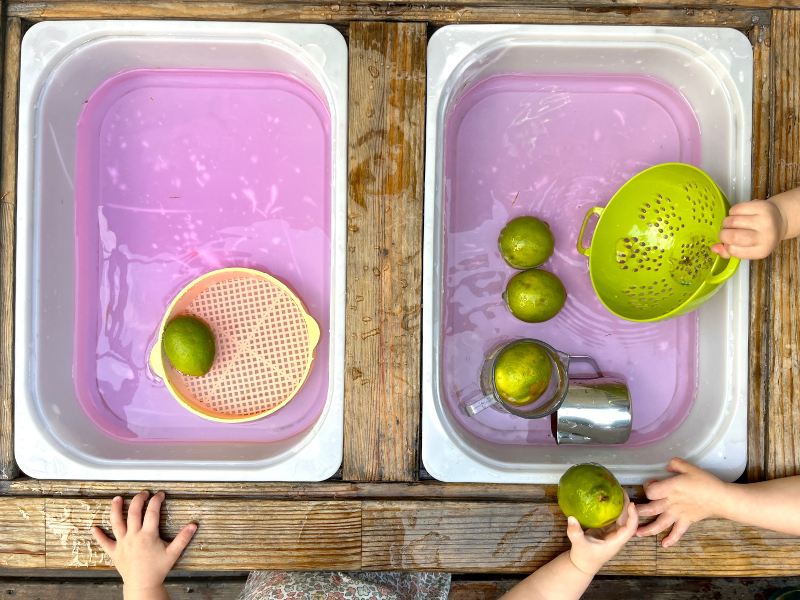
Water Scooping for Babies
This is one of the first sensory activities that my children were introduced to. We drink it, bathe in it, cook with it, and water our plants with it. Water is familiar to children, safe to touch, and endlessly fascinating. As kids get older, you can use food coloring or liquid watercolors to add some fun color to the water.
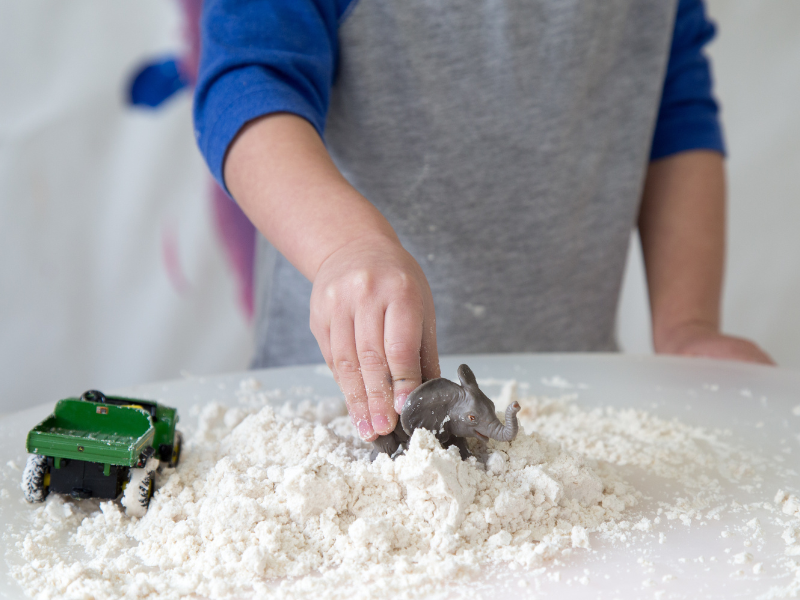
Cloud Dough
This moldable, yet crumbly, dough is made from flour and oil. It’s so simple and I’ve found that even if it spills all over my table and hardwood floors, it’s easy to clean up. If you add a little bit of lavender oil to the dough it will also leave your hands with a yummy smell.
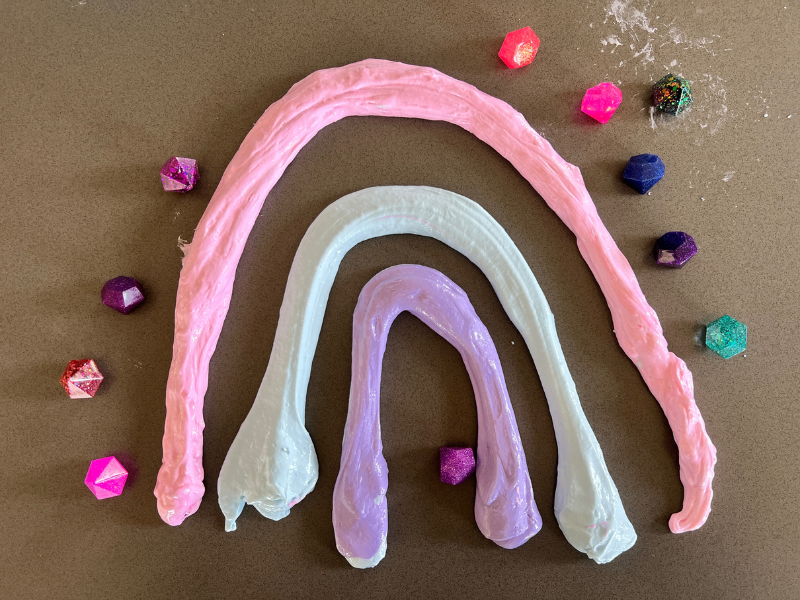
Slime
We love slime! The texture of this gooey substance is so fun for kids to play with and work in their hands. If you have carpets you’ll want to cover them first, but this is otherwise a fine activity to do indoors.
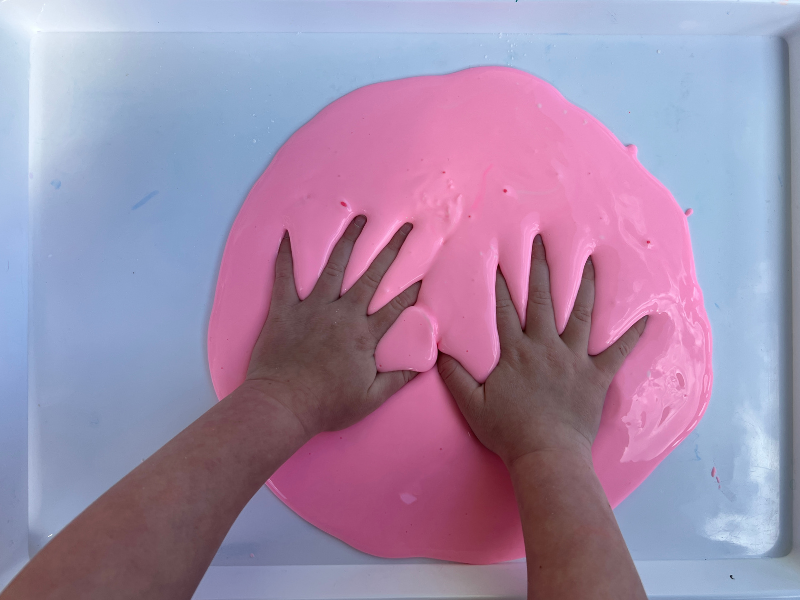
Goop (also known as Oobleck)
A simple mixture of cornstarch and water. It feels like a solid, and then a liquid…the texture will boggle the mind. The best part is it easily washes away with water.
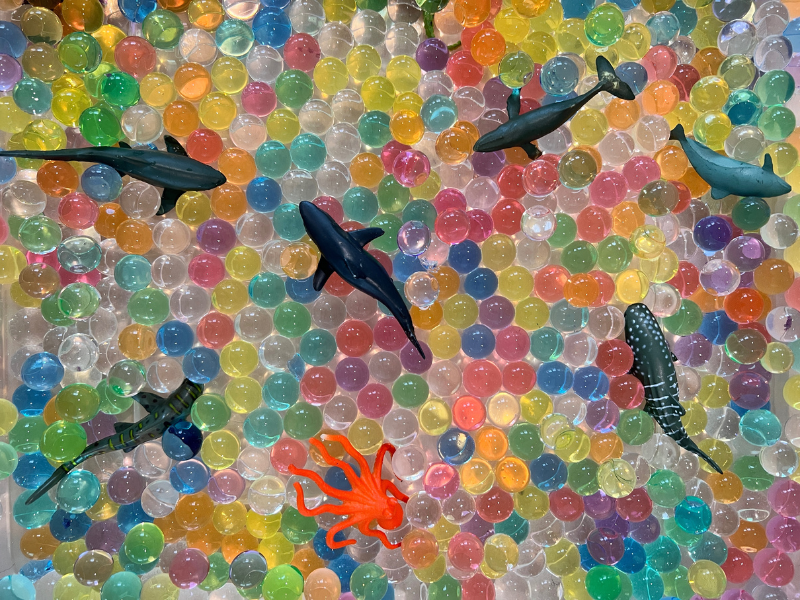
Water Beads
While this is one of the most popular sensory experiences in my home, you’ll want to be sure to keep a close eye on small children who mouth objects. Or try a taste safe alternative like tapioca pearls.
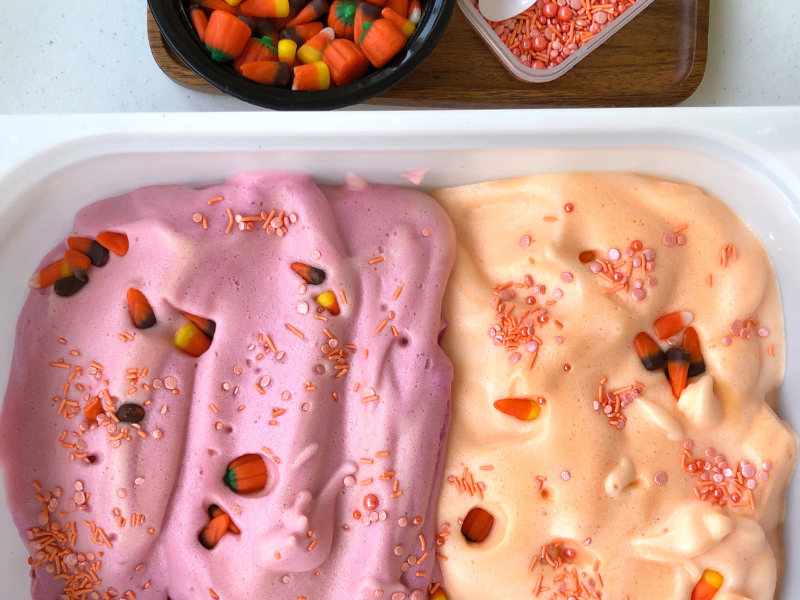
Aquafaba
One of my favorite sensory materials to make for my kids is chickpea foam – also known as aquafaba. It feels so satisfying to turn the liquid into an amazingly fluffy AND taste-safe sensory material for babies and toddlers!
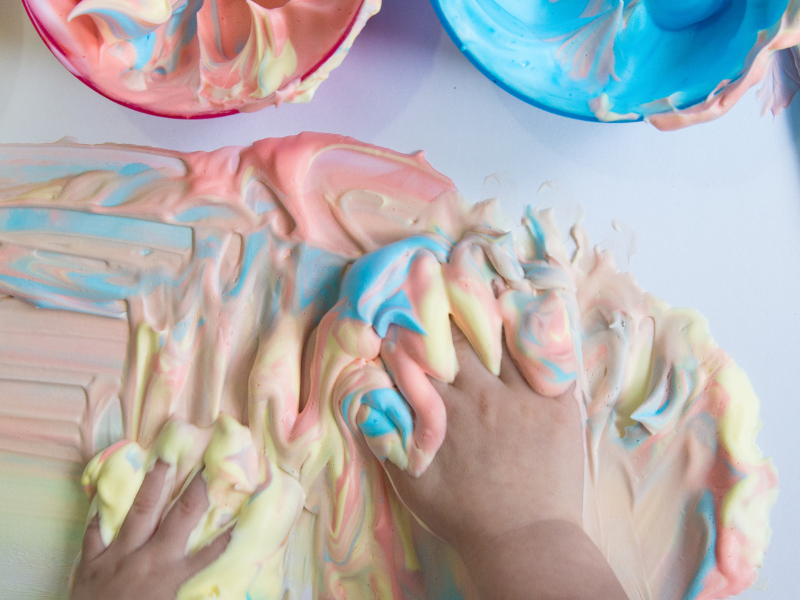
Shaving Cream
Did you know you can use shaving cream, either on its own or with a few drops of food coloring, as a sensory material? It’s fluffy, super fun to play with, and is easy to clean up!
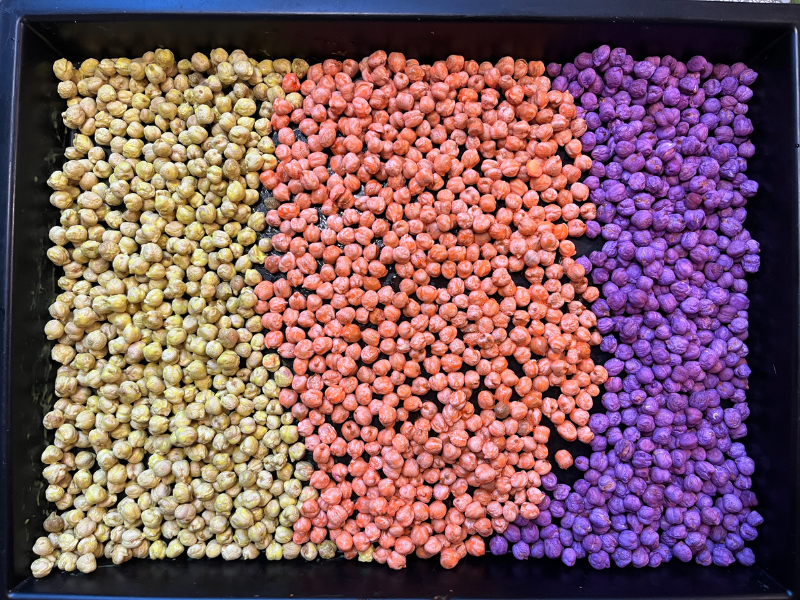
Dried Grains
Read more about how my girls used wheat berries in their play. Wheat berries can easily be substituted with rainbow rice, beans, sand, or lentils.
More Sensory Activities for Kids
- The Ultimate Guide to Sensory Bin Materials
- 7 Sensory Bins for Toddlers
- The Artful Parent’s Guide to Sensory Play
- Shaving Cream Sensory Play Ideas for Kids
- 13 Ways to Play with Oobleck for Kids
- How to Make Fizzy Potions for Fun Sensory Play
Pin It for Later